Category Archives: Tip of the Week
Posted on July 20, 2024 by Green Newton
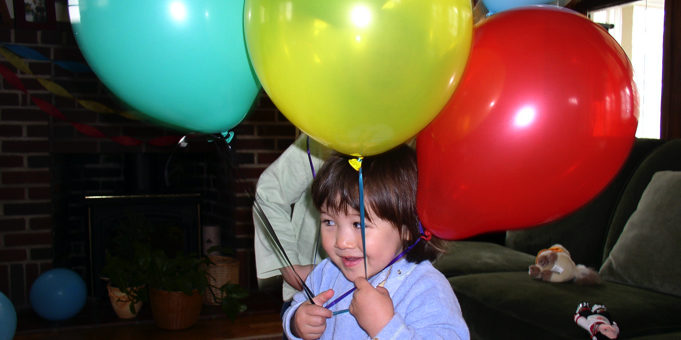
All released balloons return to Earth as ugly litter – including those marketed as “biodegradable latex”. Balloons kill countless animals and cause dangerous power outages. They can travel thousands of miles and pollute the most remote and pristine places. Balloons … Read More
Posted on July 14, 2024 by Green Newton
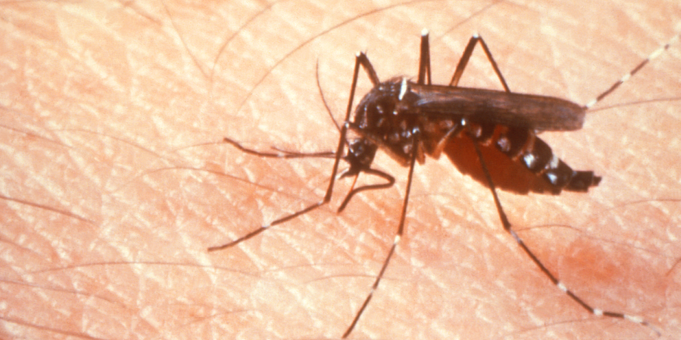
If mosquitoes have been ‘bugging’ you this summer, you’re not alone. But before you reach for chemical solutions, consider prevention first. Here are some ways to reduce mosquito breeding in your yard and prevent mosquito bites. Mosquitoes breed in standing … Read More
Posted on July 7, 2024 by Green Newton
Use Plastic Free July as a time to rethink the everyday plastic products we use in our lives. Here are some easy suggestions for the bathroom: Try a toothbrush made of bamboo and silk dental floss that can be refilled … Read More
Posted on June 30, 2024 by Green Newton
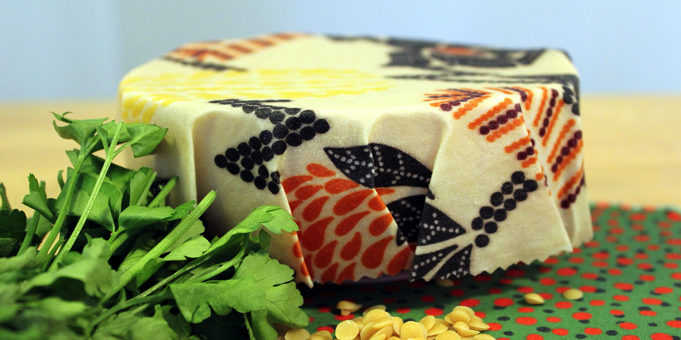
Plastic Free July is a good chance to think of easy replacements for single use plastics. Try these ideas in your kitchen: Replace plastic bags (including produce bags) with paper or cloth. In addition to bar dish soaps, use loofah … Read More
Posted on June 23, 2024 by Green Newton
Looking for an inspirational read this summer? Or just something new to try? Here are a few suggestions: Beyond Plastics has released a list of book recommendations selected by their staff. There is a variety of books on the natural … Read More
Posted on June 9, 2024 by Green Newton
Massachusetts does not permit the discarding of textiles into the trash. It’s more important than ever to divert these items to reuse and recycle streams whenever possible. The poster from Newton Sustainable Materials Division explains how. Check it out.
Posted on May 30, 2024 by Green Newton
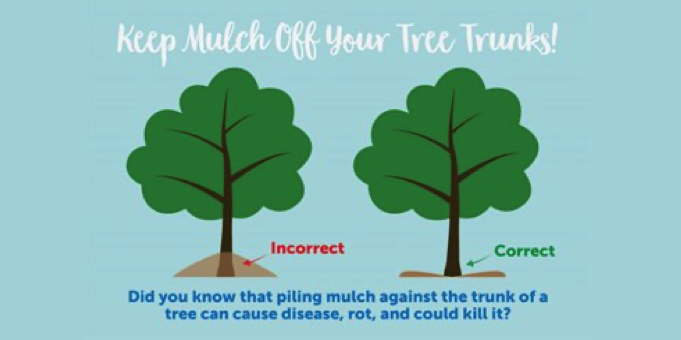
Marc Welch, Newton’s Urban Tree Forester, is passing along a tip about how to mulch around the base of a tree trunk. Avoid mulch “volcanoes” where the piles of mulch surround and pile up against the bases of trees (and … Read More
Posted on May 26, 2024 by Mass Audubon
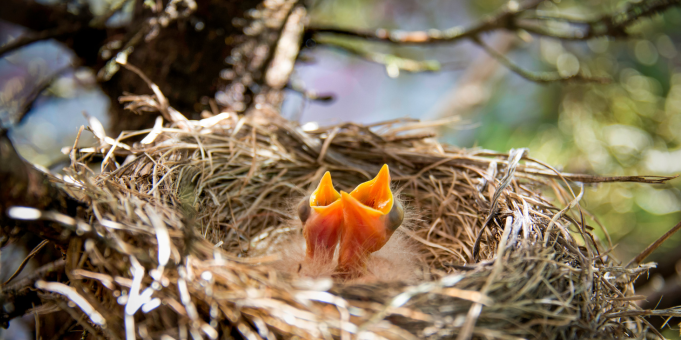
When you come across a helpless-looking baby bird out of its nest, it’s hard to resist the overpowering urge to come to the rescue. But most of the time it’s best to do nothing. Many birds that people try to … Read More
Posted on May 19, 2024 by EARTHDAY.ORG
Over two-thirds of American households have a pet, mainly dogs and cats, and most of us would go above and beyond for them; after all, they are a part of the family. The last thing we want to do is … Read More
Posted on May 11, 2024 by Green Newton
Prescription bottles are not recyclable through the City of Newton. Fulfilled GoodsFulfilled Goods (612 Washington Street, Newton) is partnering with New England based Plastics Recycled to collect these bottles and have them made into useful items like park benches and planter … Read More






Recently on Twitter