



Our volunteer Plant-Based Coaches are here to help you understand the impact you can make by switching to a greener plate, and will share ideas, tips and strategies for helping you along that journey.

What does a Plant-Based Coach do?
Plant-Based Coaches are Newton residents who volunteer to share their expertise and experience with others regarding all aspects of plant-based meals. Their service is available to all Newton residents and businesses free of charge.
They are available to answer questions or get you started. Ask a coach today!
What We Offer

Meet the Plant-Based Coaches

John Dundon has been a plant-based eater for 10 years and received a certificate from Cornell Center for Nutritional Studies in Plant-Based Nutrition. He is also an experienced vegan chef with good knowledge of local Newton sources for healthy plant-based shopping options. As an active member in the UU Plant-Based Eating Club in Newton, he has facilitated many “Cooking Together” events hosted by the club.
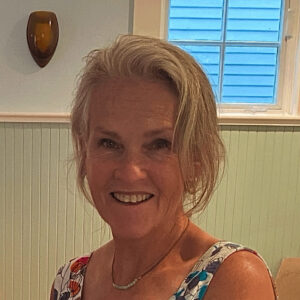
Mary Fitzgerald is a long-time humane, health and wellness educator who worked for Newton Public Schools for 15+ years. She has a strong interest in helping people find practical ways to transition towards a more plant-based diet. Mary is a creative plant-based home cook, and earned a certificate from Cornell Center for Nutritional Studies in Plant-Based Nutrition. She also has an M.S. in Exercise Science from UMass Amherst and an Ed.M. from Endicott College in Organizational Leadership.

Andy Gluck is a retired NPS teacher who also served as the Underwood Elementary Green Captain. During his tenure, he nurtured the school garden and a recycling and composting program for the whole school. He and his wife switched to a plant-based lifestyle in 2018 due to concerns and care about global climate change and the sustainability of our planet. They love to spread the health and fun of being plant based!

Diana Goldman is a vegan chef and plant-based nutrition and culinary educator based in Boston. She loves sharing health-promoting, nutrient-rich, and planet-friendly recipes. They can be found on her site Beantown Kitchen and in her award-winning cookbook Plants For You. Diana has received grant-funding from Harvard Pilgrim Healthcare Foundation to teach healthy cooking classes in Boston. She has also collaborated with Harvard University, MIT, Unilever, Sodexo, Ebay and Samsung. Diana received a B.S. from Cornell University in Nutrition Science and an Ed.M. from Harvard University.
FAQs
Nothing! It’s a free program available to all Newton residents.
Nope! We meet you where you are on your journey towards a more plant-based diet. Maybe you’re vegan, curious about veganism, vegetarian, flexitarian, pescatarian, or something in between. We’re here to help you add more plants to your plate.
Our goal is to provide useful, impactful, evidence-based knowledge and support around plant-based diets. We embrace everyone who has an interest in this, no matter what their current eating patterns are.
A well planned fully plant-based diet is considered very healthy and nutritious, offering reduced risks of chronic diseases like heart disease, type 2 diabetes, and certain cancers. It is rich in fiber, vitamins, and antioxidants, but requires careful planning to avoid deficiencies in nutrients like B12.
Key health benefits and considerations include:
- Disease Prevention: Plant-based diets can lower blood pressure, improve cholesterol levels, and help manage or reverse heart disease.
- Weight Management: Diets centered on whole plant foods are typically lower in calories and fat, assisting with weight loss.
- Essential Nutrients: While protein is abundant in many foods, a fully plant-based diet necessitates monitoring for Vitamin B12, iron, calcium, and Vitamin D, often requiring fortified foods or supplements.
- Focus on Whole Foods: The health benefits are highest when focusing on whole, unprocessed foods rather than processed vegan alternatives.
All plants contain protein, it’s simply just a matter of how much. Plant-based eaters get protein from diverse nutrient dense plant sources including:
- legumes (think lentils, chickpeas and other beans);
- soy products (like tofu, tempeh and edamame);
- seitan;
- nuts;
- seeds (chia, hemp, pumpkin);
- and whole grain such as quinoa and oats.
These foods can provide sufficient amino acids for muscle maintenance and overall health without cholesterol or high saturated fat.
Diet, particularly those that have high consumption of meat and dairy, drives climate change by generating over one-third of global greenhouse gas emissions through land use, fertilizer, and livestock methane. Agriculture, especially beef and dairy production, drives deforestation and emissions, making plant-based diets more sustainable alternatives.
How Diet Impacts Climate Change
- Livestock Methane Emissions: Livestock production, particularly beef and dairy, is responsible for at least 14.5% of human-caused greenhouse gas emissions, as ruminant animals produce large amounts of methane.
- Land Use and Deforestation: Agriculture uses roughly half of Earth’s ice-free land. The expansion of livestock grazing and growing feed crops (such as soy) leads to deforestation, which destroys forests that would otherwise remove carbon dioxide from the atmosphere.
- Fertilizers and Nitrous Oxide: Modern agriculture relies on synthetic fertilizers, which release nitrous oxide—a potent greenhouse gas—into the atmosphere.
- Transportation and Food Miles: The transport, processing, and distribution of food (especially international shipping) account for a significant portion of carbon emissions, a problem often linked to eating out-of-season products.
Dietary choices, particularly high consumption of animal products, drive biodiversity loss through land conversion for agriculture, accounting for up to 85% of species at risk of extinction. Agriculture occupies 40% of non-desert land, causing habitat destruction, pollution, and climate change that destroys ecosystems.
Key Connections Between Diet and Biodiversity Loss:
- Animal Agriculture Intensity: Livestock farming requires vast amounts of land for grazing and growing feed (such as soy), leading to massive deforestation, particularly in biodiversity hotspots.
- Meat vs. Plant-Based Diets: Animal-based foods have a higher environmental footprint than plant-based foods. Shifting toward plant-heavy diets reduces pressure on land, with some meat products taking up to 75 times more land to produce than plant-based alternatives.
- Monoculture Farming: The demand for specific, inexpensive foods drives the expansion of industrial monoculture, reducing habitats for wildlife and degrading ecosystem health.
- Food System Impact: Over 30% of global greenhouse gas emissions and 70% of freshwater use come from food production, significantly affecting ecosystems.
- Reduced Genetic Diversity: While thousands of species are available for consumption, just nine crops account for over 66% of total global crop production, diminishing agricultural biodiversity.
Animal agriculture contributes to antibiotic resistance through the widespread, often non-therapeutic, use of medically necessary antibiotics in livestock to promote growth and prevent infections in crowded, unsanitary conditions. This practice kills weak bacteria, allowing resistant strains to survive, multiply, which can spread to humans via food consumption, waste runoff, and direct contact, rendering human infections harder to treat.
Key Connections and Mechanisms:
- Routine Misuse: Approximately 70% of medically important antibiotics sold in the U.S. are used for animals, often administered at low doses in feed or water to prevent illness rather than treat it.
- Environmental Contamination: Resistant bacteria and antibiotic residues are excreted in animal waste. This manure, often used as fertilizer or stored in lagoons, introduces resistant bacteria into soil and waterways.
Spread to Humans:
- Food Chain: Bacteria like Salmonella and E. coli on raw meat, milk, or dairy products can transfer resistance genes.
- Direct Contact: Farm workers, veterinarians, and slaughterhouse workers can become colonized with resistant pathogens, carrying them into communities.
- Environmental Exposure: Contaminated water and crops used for agriculture further spread antibiotic-resistant genes.
Consequences for Public Health:
- Untreatable Infections: Infections in humans, such as urinary tract infections or food poisoning, may become untreatable or require more expensive, stronger, or intravenous antibiotics.
- Horizontal Gene Transfer: Resistance genes can spread between different bacteria in the environment, creating more complex, multi-drug resistant pathogens.
- Global Threat: The WHO considers antimicrobial resistance (AMR) from agricultural overuse a significant risk to global health, and studies have shown that restricting antibiotic use in food-producing animals can reduce resistant bacteria in those animals by up to 39%.
Through programs like Plant-Based Coaching, volunteers in Green Newton’s Green Plate Committee hope to build a community of people who want to address sustainability issues through plant-based eating. Join us in creating programs like the following:
-
plant-based eating meetups,
-
grocery store field trips,
-
in-person and online cooking classes,
-
cook “book- groups,” and
-
plant-based recipe sharing.
By working with the Green Plate Committee, you can help reduce greenhouse gas emissions while supporting residents, restaurants, and students in expanding plant-based meal options. Contact us to:
- support local restaurants and businesses interested in expanding plant-based menu options,
- advocate for healthier plant-based choices in school cafeterias, and
- help spread plant-based eating to more residents.
Get local climate news, action and events
Sign Up for Green Newton’s e-newsletter
"*" indicates required fields