



>
Plant-Based Diets
The foods we choose can help reduce emissions and protect the planet.
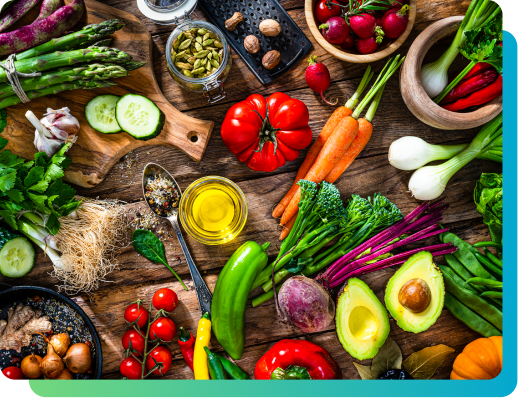
Why Go Plant-Based?
Choosing more plant-based meals is one of the simplest ways to make a positive impact. Every plant-focused meal reduces greenhouse gas emissions, conserves water and land, and supports a healthier, more sustainable food system.
Key Benefits

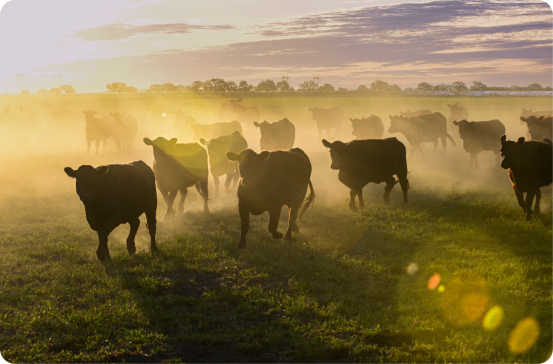
32%
of all methane in the atmosphere is generated from animal agriculture.
More About Going Plant-Based
Explore how shifting toward plant-based meals can help protect ecosystems, conserve resources, and build a healthier community.
The foods we choose can have a significant effect on the planet. Every meal is an opportunity to reduce emissions, save resources, and protect ecosystems. By learning how plant-based choices influence the environment, you can see exactly where your actions make a difference — from the greenhouse gases we produce to the land and water our food requires.
Greenhouse Gas Emissions
Animal agriculture is a major contributor to greenhouse gases, including methane and nitrous oxide. These emissions accelerate climate change and affect ecosystems globally.
Land Use
Raising livestock requires far more land than growing crops for direct human consumption. Studies show that adopting plant-based dietary patterns can reduce diet-related land use by up to ~76% (NIH)
Water Use
Producing animal products consumes significantly more water than plant-based foods. Choosing plants over meat helps conserve this precious resource.
Biodiversity & Ecosystems
Livestock farming drives deforestation, soil degradation, and loss of biodiversity. Shifting toward plant-based foods helps protect wildlife habitats and promotes ecosystem health.
Impact at Scale
Major studies estimate that widespread adoption of plant-based diets could cut greenhouse gas emissions by nearly 50%. Small changes in your diet, when multiplied across a community, can have a substantial environmental effect.
Choosing Lower-impact Proteins
Every food we eat has its own environmental footprint, and protein sources can vary widely in their climate impact. As the chart below shows, some proteins — especially plant-based options — produce far fewer greenhouse gas emissions than others.


Eating plant-based isn’t just good for the planet — it’s a way to support the people and places that grow our food. By choosing local, seasonal produce, you help farmers thrive, strengthen our local economy, and build a more sustainable food system right here in Massachusetts.
Support Local Farms
Choosing plant-based foods doesn’t just help the planet — it helps our local farmers thrive. By shopping for fruits, vegetables, grains, and legumes grown nearby, you keep food dollars in the community and strengthen the local economy.
One place to purchase local, sustainably grown produce is Newton Community Farm (303 Nahanton St., Newton). From June through Thanksgiving, you can stop by their farm stand. Or consider purchasing a share in their Community Supported Agriculture (CSA) program to receive weekly fresh vegetables and flowers.
Seasonal and Fresh
Local produce is often fresher, tastier, and harvested at peak ripeness. Eating seasonally not only supports sustainable farming practices but also encourages biodiversity and reduces food miles.
Visit Newton Farmers’ Markets
You can also support local agriculture by shopping at Newton’s farmers’ markets, where you’ll find a wide variety of fresh, local foods and meet the farmers who grow them:
Tuesday Market – Cold Spring Park
1189 Beacon Street, Newton Centre | June 17 – October 28 | 1:30 p.m. – 6:00 p.m.
Saturday Market – Newton North High School
352 Lowell Ave, Newtonville | June 28 – October 25 | 9:30 a.m. – 12:30 p.m.
You don’t have to change everything overnight — small steps add up. Even simple swaps or trying one plant-based meal a few times a week can reduce your impact and support local farms. Here are some things you could consider:
- Replace beef burgers with veggie burgers, especially ones made from whole foods such as beans and grains
- Experiment with plant-based milks (soy milk is most similar to dairy milk in nutritional content)
- Try tofu, seitan, or tempeh instead of meat in stir fry and pasta dishes
- Use an inexpensive egg replacer (such as from Bob’s Red Mill) in place of eggs in baked goods
- Add lentils, hummus, chickpeas, black beans, or kidney beans to your salads for a healthy protein boost
- Experiment with vegan cheeses (it is often overlooked that dairy cheese generates more greenhouse gasses than chicken, pork, fish, or eggs)
- Explore plant-based recipes online – you might be surprised at what you find!
Small, achievable changes like these can make a big difference over time and make adopting a plant-based lifestyle both approachable and enjoyable.
Get local climate news, action and events
Sign Up for Green Newton’s e-newsletter
"*" indicates required fields