
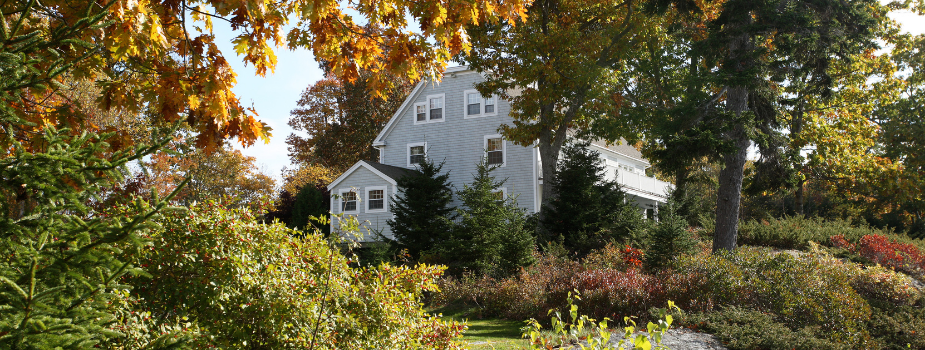
As the season transitions into autumn, there are plenty of small changes you can implement in your yard to support a healthier environment. Fall is the perfect time to adopt some sustainable gardening practices that both benefit your soil and plants and also reduce waste and pollution. Here are four effective ways to make your yard more eco-friendly this fall:
Leave the Leaves
Instead of bagging up leaves for the landfill, consider leaving them in place instead. You can mulch shredded leaves directly into your lawn, allowing them to break down and provide essential nutrients for the soil. You can also spread whole leaves over garden beds to act as a natural layer of insulation. This both protects plants during the winter and improves soil health in the spring. Choosing to leave your leaves means fewer yard waste trips, healthier gardens and soil, and less unnecessary material going into landfills.
Compost Yard Waste
Composting is a simple and effective way to recycle organic matter at home. This year, consider composting your fallen leaves, garden clippings, and even leftover pumpkins from Halloween. These materials transform into a nutrient-rich fertilizer that will replenish your soil and enrich your garden. Composting also prevents organic matter from going into landfills, where it will produce harmful methane emissions.
Plant Native Bulbs and Trees
Fall is the perfect season for planting due to the cool climate and moist soil. Consider planting native bulbs, shrubs, and trees this year to support pollinators and other local wildlife. Native bulbs like Spring Beauties and Wild Geranium attract bumblebees, butterflies and hummingbirds. Native trees like the Eastern White Pine, Red Maple, and Sweetbay Magnolia provide food and shelter for native wildlife and capture and store carbon to mitigate the effects of climate change. Native plants also have the benefit of requiring less water and being lower maintenance since they are better adapted to New England’s climate.
Ditch Gas-Powered Leaf Blowers
Although they are convenient, gas-powered leaf blowers pose a threat to air quality and to the communities’ well-being. They emit harmful pollutants, contribute to climate change and produce loud noise that can disrupt people and wildlife. The City of Newton recognized this issue and enacted a summer-long ban on gas-powered leaf blowers between Memorial Day and Labor Day. The city also implemented other ordinances, for example, a restriction to only have one electric or battery-powered leaf blower per lot, the requirement for Newton landscapers who use leaf blowers to register with the Inspectional Services Department (ISD) before starting work, the requirement for all leaf blowers to be 65 decibels or less, and the prohibition of excessive noise between 11:00 pm and 7:00 am. Newton has hired a seasonal inspector to proactively enforce these ordinances. This year, consider using a rake for a quiet and low-impact exercise, or switch to an electric leaf blower, which is a cleaner and quieter alternative to the gas-powered ones.
Fall is a season of change, and by making a few simple changes in the way we care for our yards, we can help protect the environment, improve soil and plant health, and create a more sustainable community. By rethinking how we garden with more eco-friendly alternatives like composting, native plants and non gas-powered tools, we each take small steps in our gardens that will add up to a big difference for the planet.
Check out Green Newton’s Green Pages for a list for greener lawn and garden providers!
Download Green Newton's Green Pages

Recently on Twitter