Microplastics are finding their way into our bodies through an increasing number of common sources. Some enter our bodies when we eat fish, vegetables, and other food stuffs that have come into contact with particles. These sources are harder to avoid. Other sources of microplastics are visibly easy to spot and avoid like water sold in single use plastics bottles.
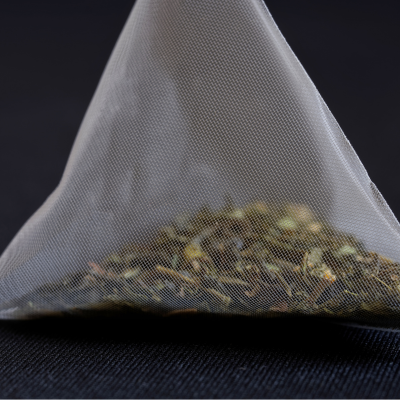
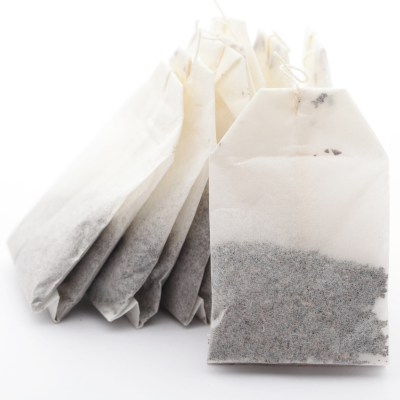
Another easily avoidable but unexpected source of microplastics is tea bags made of mesh plastic. These resemble traditional cellulose bags, but unlike the cellulose material, shed thousands of tiny bits of plastic and chemical plasticizers in to hot water as the tea steeps. It’s worth looking closely at the difference in materials. Once you can spot the plastic ones, you can readily substitute them with tea in cellulose bags or, even better, by using loose tea and reusable tea strainers.
“Plastic Tea Bags are Releasing BPA, Plasticizers and up to 2,500 Microplastic Particles into your Cup of Tea.” (Kasal, K. Medical Xpress. October 27, 2026.)