



Paper cups can be recycled now! You may be wondering what is meant by “paper cups.” All cups made of paper – like cups used for fountain drinks, hot beverage cups, even paper cups labeled “compostable” – are now accepted in the recycling in Massachusetts. Just make sure they’re empty.
This was not the case last year, so what has changed? Technology! Paper cups are made of long, valuable fibers (80-95% of the cup), with a plastic interior lining made of polyethylene (and sometimes polylactic acid) that provides insulation and helps prevent leaks. Previously, that lining – often called a poly coat – was very difficult to filter out at paper mills and was considered a contaminant. But with new technology, mills can now separate the lining from those valuable fibers.
The Fine Print (of Paper Recycling)
When you see the paper recycling process, things really start to click. So, let’s go through it.
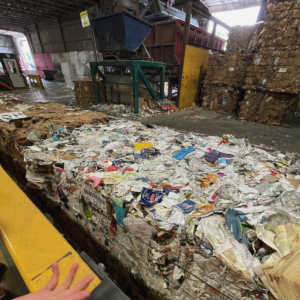
Step 1 – Sorting
Once your recycling is collected, it’s taken to a materials recovery facility (MRF) where a mix of machines and humans sort recyclables into separate material streams. Paper cups are sorted into “mixed paper,” a grade of paper that also includes junk mail, magazines, copy paper, and paperboard (think cereal boxes).
Different grades require different specifications and standards based on what the recycled paper will eventually become, and to ensure the paper is of high enough quality to be used in new products. Grades also have different monetary values that can be reduced by contamination. That’s why it’s important to remove food and liquids. A cleaner product can be sold at its highest value.
All that sorted paper is then baled (pressed into thousand-pound cubes) and sold to paper mills where the real recycling is done.
Step 2 – Recycling
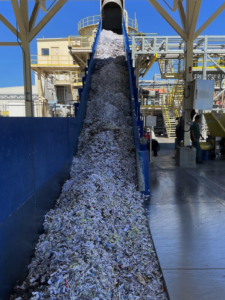
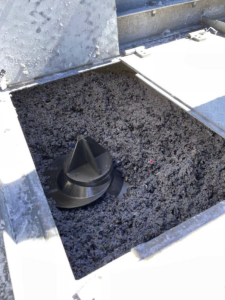
At the mill, the bales are opened and fed into a giant shredder that cuts the paper into fine pieces, or shreds. The shreds are then fed into a pulper. The pulper mixes them with water and chemicals and transforms them into what looks like paper oatmeal, or pulp.

New technology allows the pulper to separate non-fiber materials (all those poly coat linings) from the paper fibers.
Step 3 – Raw Material
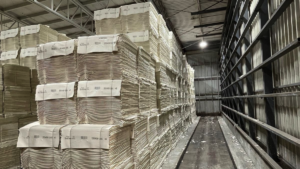
The final stage is turning the pulp into new raw material. After it’s removed from the pulper, the pulp is pressed and dried, creating a paper product that manufacturers buy to produce all sorts of new things. Things like egg cartons, paper bags, paperboard boxes, napkins, facial tissues, and even non-paper products like chipboard and cellulose insulation…the list goes on.
So, All Paper Products Are Recyclable, Right?
Unfortunately, it’s not that easy. Cartons, for example, are still a NO in most of Massachusetts, although some communities in Western MA can recycle them. Cartons are made with multiple layers of plastic, paper, and sometimes aluminum that only specialty mills can separate. Currently, there are only four such mills in North America, and the closest one to MA is in Quebec. Given that cartons make up a very small portion of what’s collected for recycling (less than 1%), it takes months to get enough to fill a truck, and then they must be shipped long distances, it just doesn’t work out financially to accept cartons yet.
Frozen food boxes are also still a NO. These boxes have a “wet strength” chemical embedded within their fibers that can’t be separated like the lining in paper cups.
And paper plates…well, these ones are tricky. We say no to paper plates due to their tendency to be covered in food, which is a real problem for recyclables. Food contamination deteriorates paper and cardboard, causes rodent problems, and reduces the value of our recycling. Paper plates that are BPI certified can be composted, but if you don’t compost, please put your dirty plates in the trash.
Finish Your Sip and Recycle It
Paper cups moving to the YES list is a big deal here in Massachusetts. Think about it: We’ve got coffee shops across the street from coffee shops, which means a LOT of cups.
Now, we always encourage reuse, but if you happen to forget your reusable travel mug, don’t fret. Enjoy your drink and then recycle your empty cup!
This post was taken from the Recycle Smart newsletter from March 25, 2026.